
ما ينصح Daria Accot-Kuntsevich بمشاهدته لتعلم الروسية
I'm Daria. I founded Etudoma, a Russian school in France, and I've been teaching Russian to French speakers for over twelve years — first at the University of Bordeaux, now in my own school. Most of my students already have the basics and are stuck on the A2–B1 plateau, so we work on the things nobody taught them at university: paying a compliment, saying how something actually made you feel, picking apart a friend's outfit, arguing about overconsumption. And we do all of it with real material — short videos and clips, films, series, articles, comments on Instagram. Everything here is what I actually put in front of them.


متوسط
5 ترشيحات

Встретимся вчера (Meet Me Yesterday)
A couple on the edge of divorce get stuck in a time loop, so it is full of arguments, accusations, apologies and making up. The best film here for the language of relationships and emotions — and I have built a free seven-day lesson around clips from it.
متوسط

Нежность (Tenderness)
A short film about a woman who climbed the career ladder and missed the stops marked friends, family and love. Under twenty minutes, so you can watch it several times over — which is exactly how I would have you use it.
متوسط

Питер FM (Piter FM)
A light romantic comedy built almost entirely out of everyday conversation, set in St Petersburg. Great for hearing how people really talk about work, relationships and plans for their lives.
متوسط

Серебряные коньки (Silver Skates)
A love story on the frozen canals of St Petersburg at the turn of the twentieth century, all balls, ice and big decisions. It opens up the "Russian Venice" under the ice, and plenty of talk about following expectations or your own dreams.
متوسط
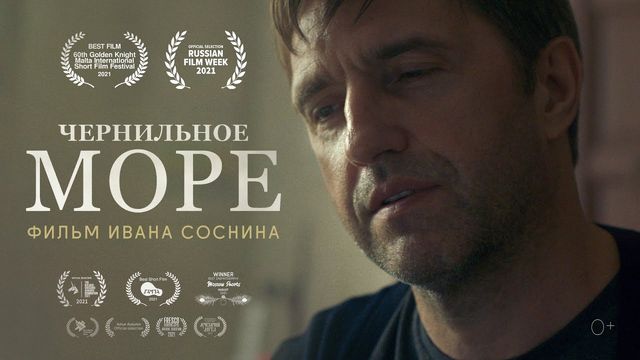
Чернильное море (Ink Sea)
A young sailor writes letters to the father he has not seen since childhood, and one day an answer arrives. Good material for working on emotions, memories and telling the story of something that happened.
متوسط
متوسط ومتقدم
ترشيحان

Кококо (Kokoko)
Two women from completely different worlds end up sharing a flat in St Petersburg, and they speak completely differently. It is the best film here for hearing registers, intonation and vocabulary sitting side by side.
متوسط ومتقدم
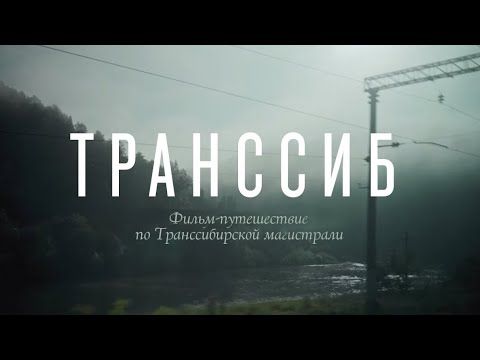
Транссиб (Trans-Siberian: Moscow to Vladivostok)
A film-length journey along the whole Trans-Siberian line, with the passengers and the crew doing the talking. Perfect if you love travel and want to hear many different voices, stories and regions of Russia.
متوسط ومتقدم
متقدم
ترشيحان
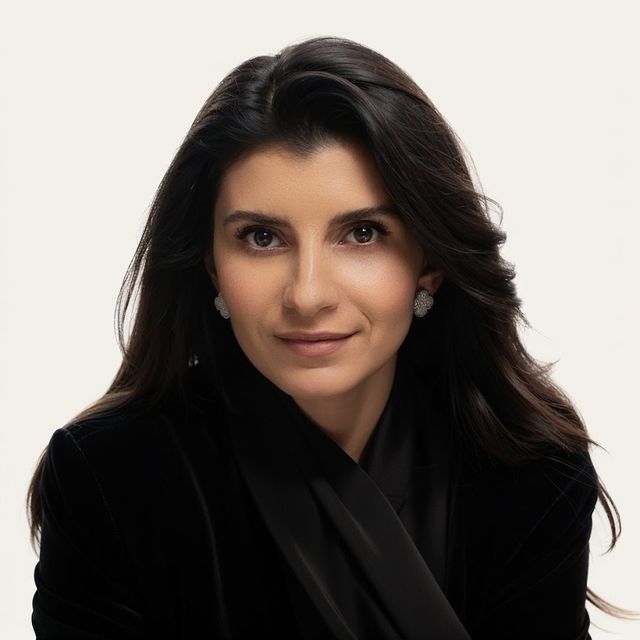
Седа Каспарова (Seda Kasparova)
A voice and public-speaking coach, and I recommend her less for learning Russian than for hearing what good Russian sounds like. Take a short fragment, listen to it several times, and shadow it.
متقدم
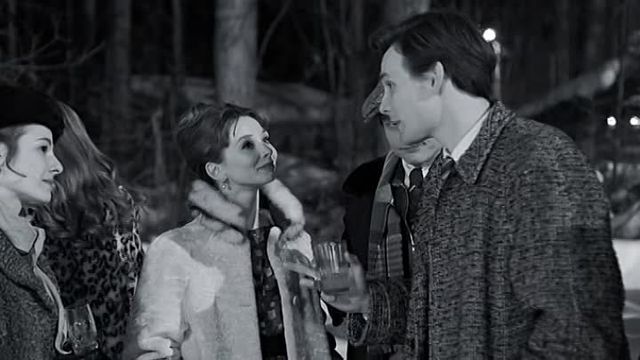
Француз (The Frenchman)
A French student arrives in 1957 Moscow, and the film puts language, history and Soviet culture in one place. Good practice for explaining who you are, where you came from and what you do — to a KGB officer.
متقدم
If you understand how to work with authentic video, your Russian really can change. Here's how I'd have you do it.
Subtitles in your own language won't get you speaking
Do you watch Russian films with subtitles in your own language? Congratulations: that's how you risk never speaking Russian.
First, you're reading text, not listening to the soundtrack. Nobody can focus equally well on two sources of information at once. If the temptation is too strong, put on a film you've already seen in your own language — in Russian, with no subtitles at all.
Second, to speak Russian you have to speak. That doesn't mean stop watching video or listening to podcasts. It means do it properly.
First decide what you're watching for
If you want to get used to the sound of Russian, train your ear and develop a feel for stress, listen to anything at all in the background — while you cook, while you shower, while you walk.
If your goal is to speak better, try the techniques below instead.
While you watch
- Don't ask too much of yourself. You're not required to understand everything first time. Your own language has accents, speeds and words you don't know too. Better to watch a short video several times than a long one once.
- Don't try to catch every word. Go for the overall meaning first: who's talking to whom, what's happening, what the characters are feeling. Then listen for the words and phrases you already know. Only after that go hunting for new ones.
- Slow the video down if they're speaking very fast. They'll start sounding drunk — believe me, the effect is glorious.
The real magic starts after you watch
- Talk back for sixty seconds. Watching a lot of video about women's place in society? Write yourself a deliberately provocative line on the topic — "A woman's place is in the kitchen." Set a timer for sixty seconds, hit record on your phone and say everything you think. Don't stop to find words or fix mistakes. Listen back a month later and you'll hear your own progress.
- Sing karaoke. Got a favourite song in Russian? Find the karaoke version and go. Let the neighbours know you speak Russian.
- Shadow. My favourite. You repeat the characters' lines almost at the same time as they say them, copying not just the words but the intonation, the rhythm and the emotion.
How to shadow, step by step
- Pick a video on a topic you care about and take two to four lines from it. Build up to a minute; longer than that gets hard.
- Listen to the passage all the way through without pausing, to catch its rhythm and sound.
- Watch again, translate the words you don't know and work out the constructions. By the end of this step you should understand what the line means.
- Listen once more, pause the video, and say the line out loud several times on your own.
- Play it again and speak along with the character, aiming for the intonation and rhythm as much as the pronunciation.
- Record yourself on video or audio, this time without the original playing.
- Play your recording and the original together, and compare.
And then keep doing it
Pick the technique that suits you, or combine them. What matters is doing it regularly.
And remember: listening and watching are good for your ear. If you want to speak, you have to train your jaw — and olivier salad doesn't count.
يعلم Daria Accot-Kuntsevich الروسية في Etudoma. هذه ترشيحاته الخاصة، شاركها مع Reelang. وجدت هذا مفيدًا؟ عرض الترشيحات بلغات أخرى.